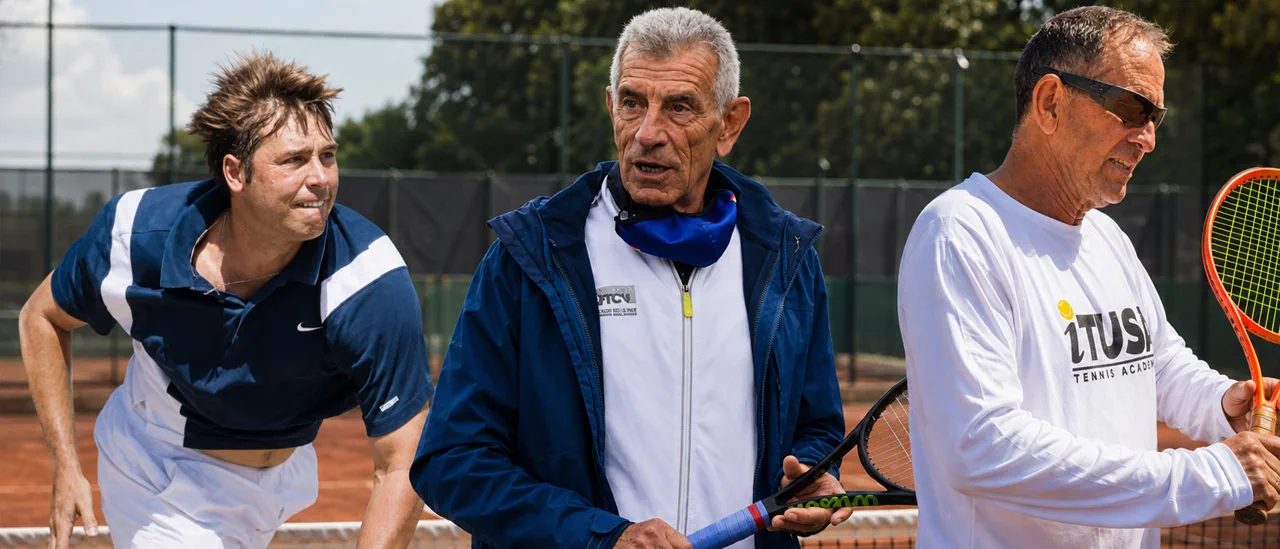
Rafael Font de Mora
Talented players training hard, coaches working sincerely, families investing heavily — and development slowing at exactly the point it should have been accelerating. The cause was almost always the same: training drifting away from the assessment, corrections stacking up without an order of priority, match results never coming back into the week's work, progress that could be felt but not measured.
Across thirty years, Rafael extracted a methodology from the coaching itself: an assessment framework covering 300+ criteria, a correction cycle linking diagnosis to training to feedback to review, match analysis folded into the development loop, and reporting that makes progress visible to the player, the coach and the family. Every element was tested on real players.
The Champion Development System is not a product he designed. It is a system he extracted from three decades of practice and made transmissible to other coaches.
Head Coach of the full board program, and the architecture behind every other iTUSA program. He conducts or supervises every assessment, validates every correction plan before it reaches a player, and leads every review cycle. He is also the person families speak to when they open the full board process — not an admissions coordinator.
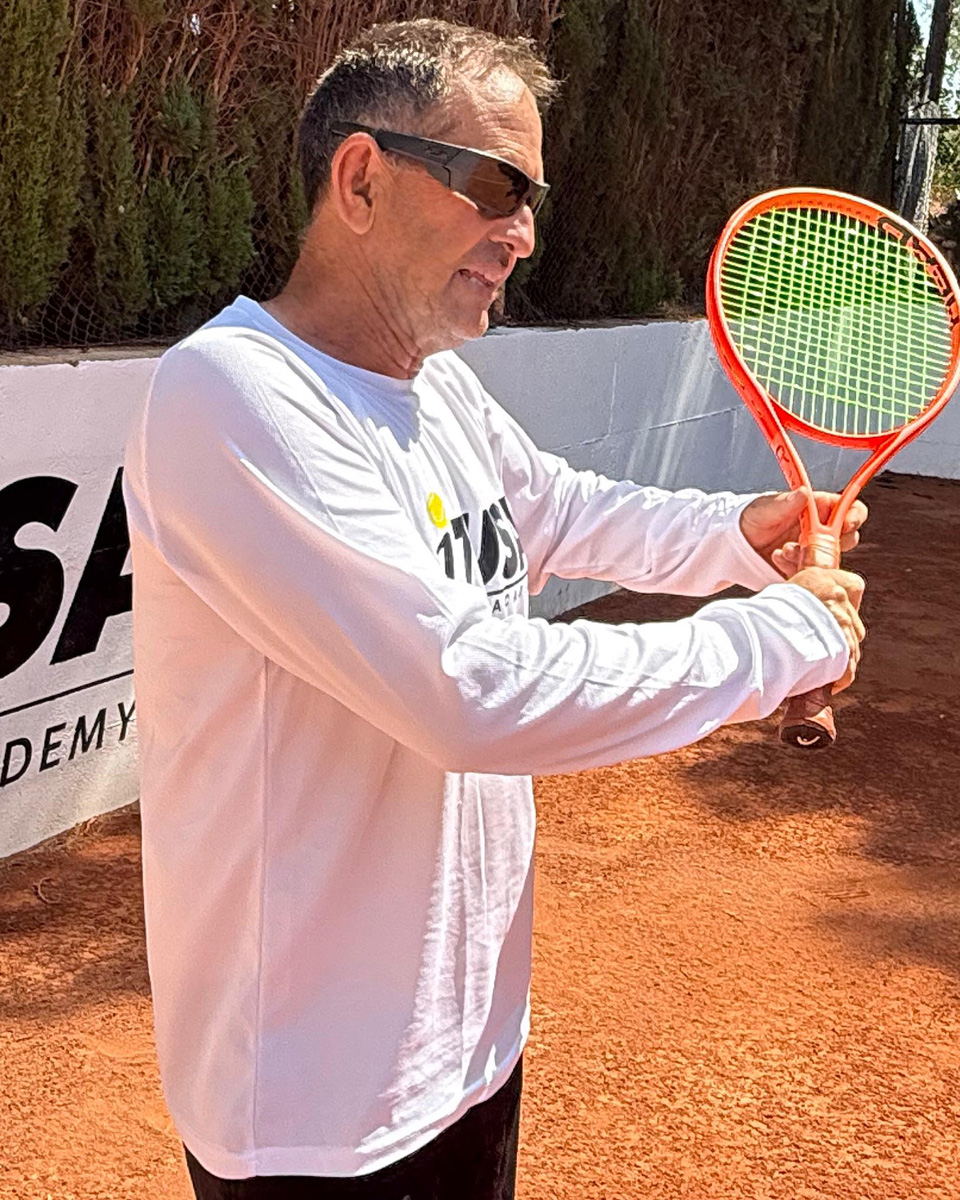
Wesley Whitehouse
He Has Won at the Level Your Player Is Trying to Reach
Wesley brings something no certification provides: he has competed and won at the top of junior tennis. He has stood exactly where every full board player is trying to get to, and performed there under real competitive pressure.
That experience changes what a coach sees. Wesley watches a stroke and reads whether it will hold in a tiebreak at 6-6 in the third set of a match that matters. Inside the iTUSA system, his role is to close the distance between what a player can do in training and what they can execute in competition. Players describe the difference simply: he coaches from inside competitive pressure rather than from beside it.
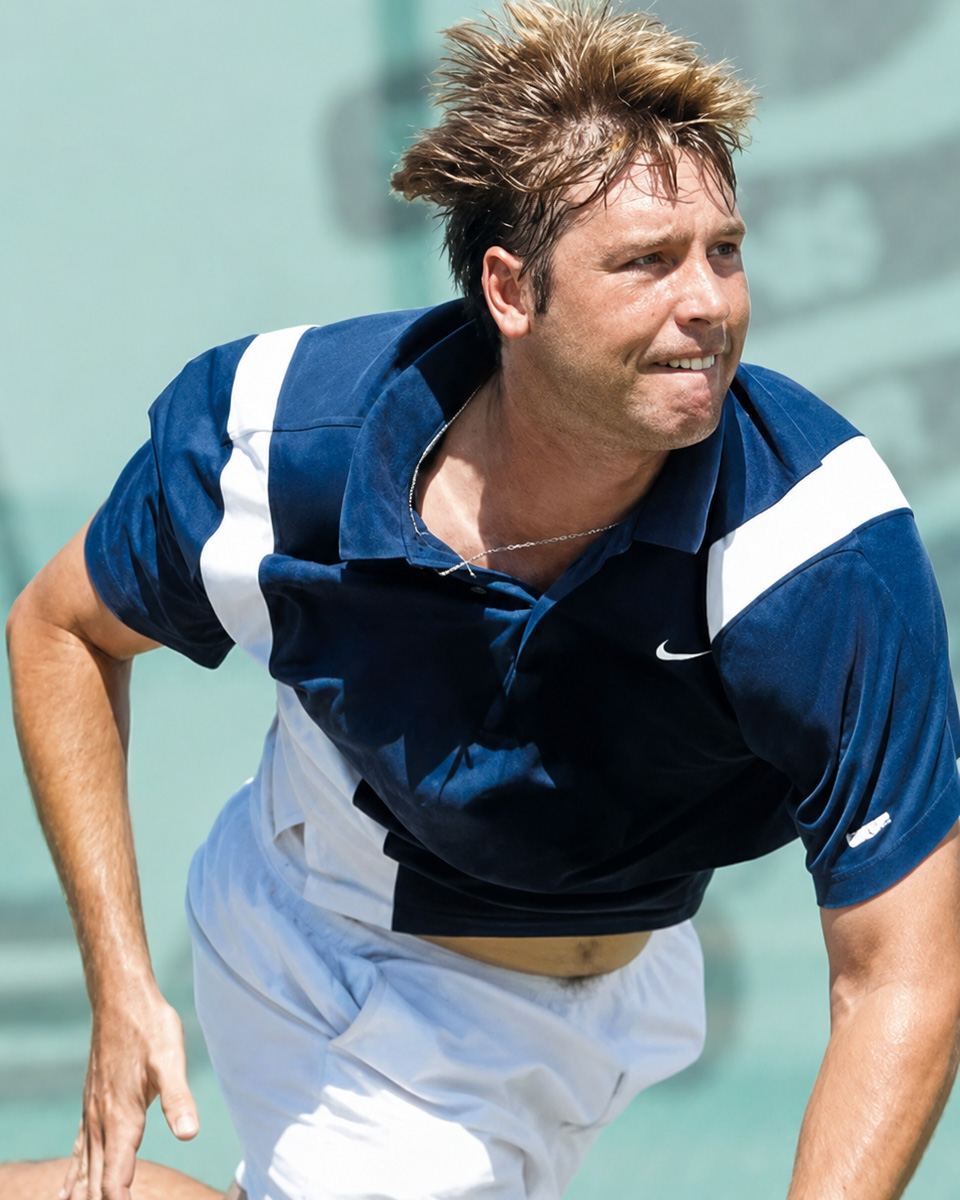
Mariano Peinado
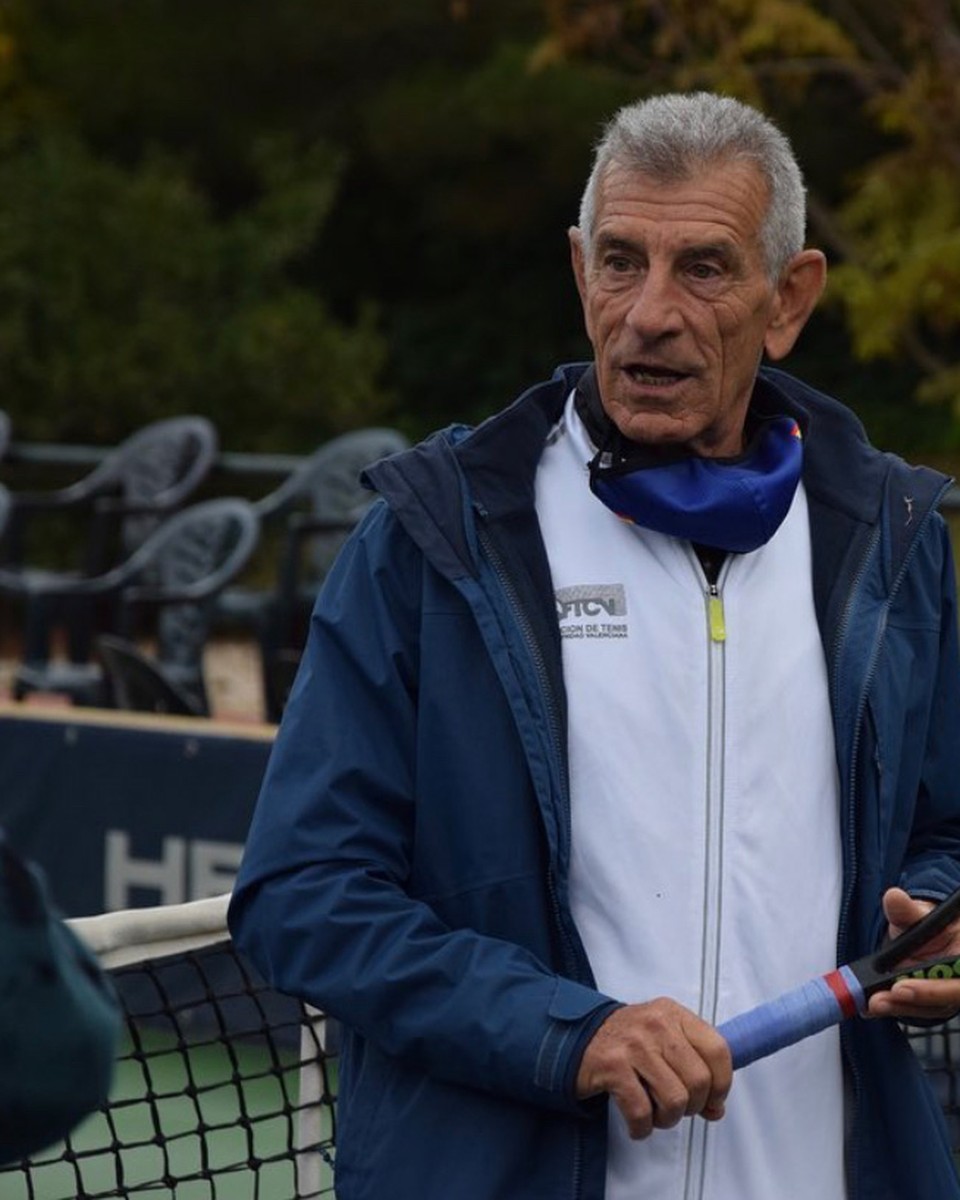
He Builds What Players Compete With
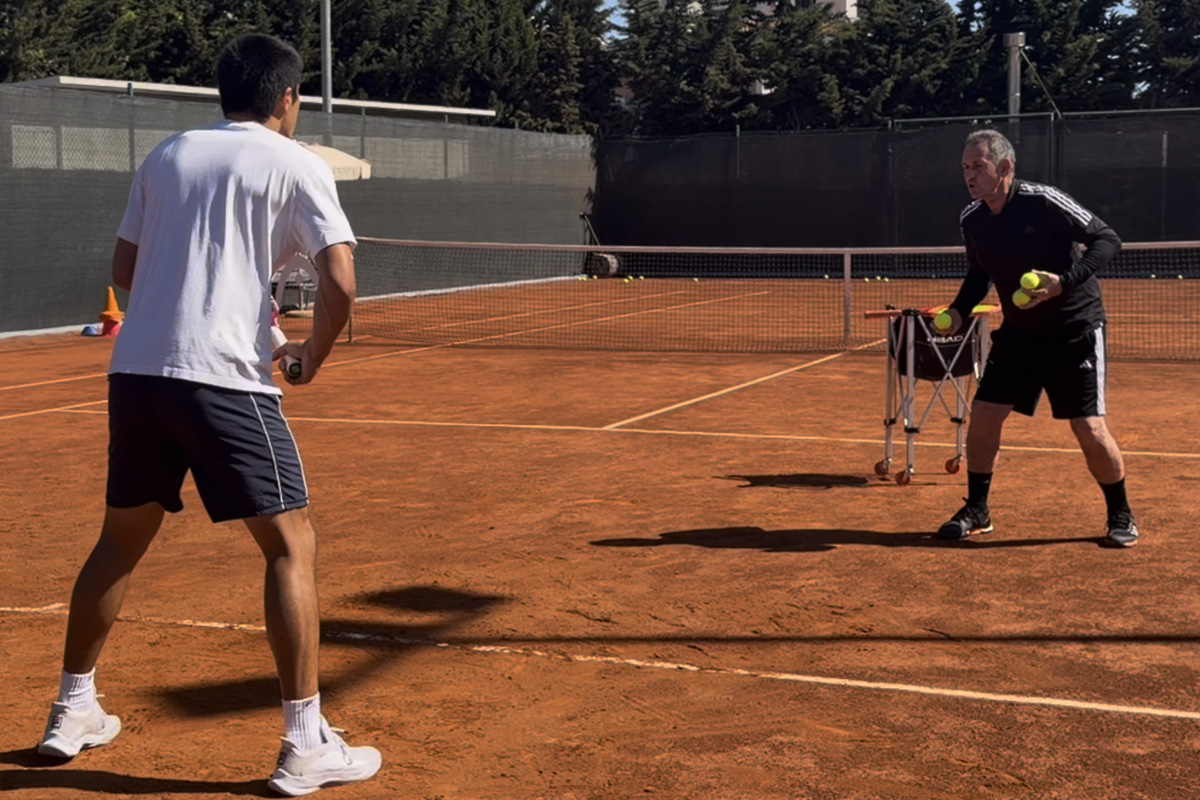
Wesley prepares players to compete; Mariano builds what they compete with. His work is the structural foundation of technical development — stroke mechanics, movement quality, and the correction of inefficiencies that accumulate over years of training — the kind Mariano has spent more than forty-five years learning to see.
Whether a forehand holds in competition is largely a question of how correctly it is built underneath. Compensations that stay invisible at low intensity become performance-limiting at high intensity. Finding them and correcting them, patiently, over months, is Mariano's work. Every session he delivers is attached to a documented correction priority, which makes his court time the most direct expression of the system. What players notice is that the game changes underneath rather than on the surface.
A Professional-Level Physical Program, Built for Developing Bodies
Designed and delivered by a specialist whose entire career has been spent in professional tennis environments. The framework is tennis-specific, built from close familiarity with what the competitive game demands at the top level rather than adapted from general conditioning. It rests on four dimensions, each of which deteriorates when the others are neglected.
Explosive Movement
First-step acceleration, split-step mechanics and directional change, built up progressively from the player's own baseline.
Structural Resilience
Injury prevention built into the structure of the program: shoulder, knee, hip and lower back integrity.
Sustained Effort Capacity
Aerobic and muscular endurance to hold technical quality across a full competitive demand.
Deliberate Recovery
Regeneration protocols and load management planned with the same rigour as the intensity sessions.
A Competition Framework Built Before the Pressure Arrives
Designed by a specialist working exclusively at elite and professional level. The work is structural rather than motivational: motivation is what a player needs before a session; structure is what they need inside a tiebreak. Every full board player builds a personal competition framework covering three phases.
Pre-match
Preparation routines, game plan activation, emotional baseline management.
In-match
Point-by-point reset protocols, pressure response mechanisms, decision-making anchors under competitive stress.
Post-match
A processing protocol that separates the emotional response from the tactical analysis.
The framework is individual, built around each player's own profile. It is scheduled into the weekly program and reviewed at every development cycle alongside physical and technical progress.
Designed and delivered by a specialist whose entire career has been spent in professional tennis environments. The framework is tennis-specific, built from close familiarity with what the competitive game demands at the top level rather than adapted from general conditioning. It rests on four dimensions, each of which deteriorates when the others are neglected.
Explosive Movement — First-step acceleration, split-step mechanics and directional change, built up progressively from the player's own baseline.
Structural Resilience — Injury prevention built into the structure of the program: shoulder, knee, hip and lower back integrity.
Sustained Effort Capacity — Aerobic and muscular endurance to hold technical quality across a full competitive demand.
Deliberate Recovery — Regeneration protocols and load management planned with the same rigour as the intensity sessions.
Designed by a specialist working exclusively at elite and professional level. The work is structural rather than motivational: motivation is what a player needs before a session; structure is what they need inside a tiebreak. Every full board player builds a personal competition framework covering three phases.
Pre-match — Preparation routines, game plan activation, emotional baseline management.
In-match — Point-by-point reset protocols, pressure response mechanisms, decision-making anchors under competitive stress.
Post-match — A processing protocol that separates the emotional response from the tactical analysis.
The framework is individual, built around each player's own profile. It is scheduled into the weekly program and reviewed at every development cycle alongside physical and technical progress.
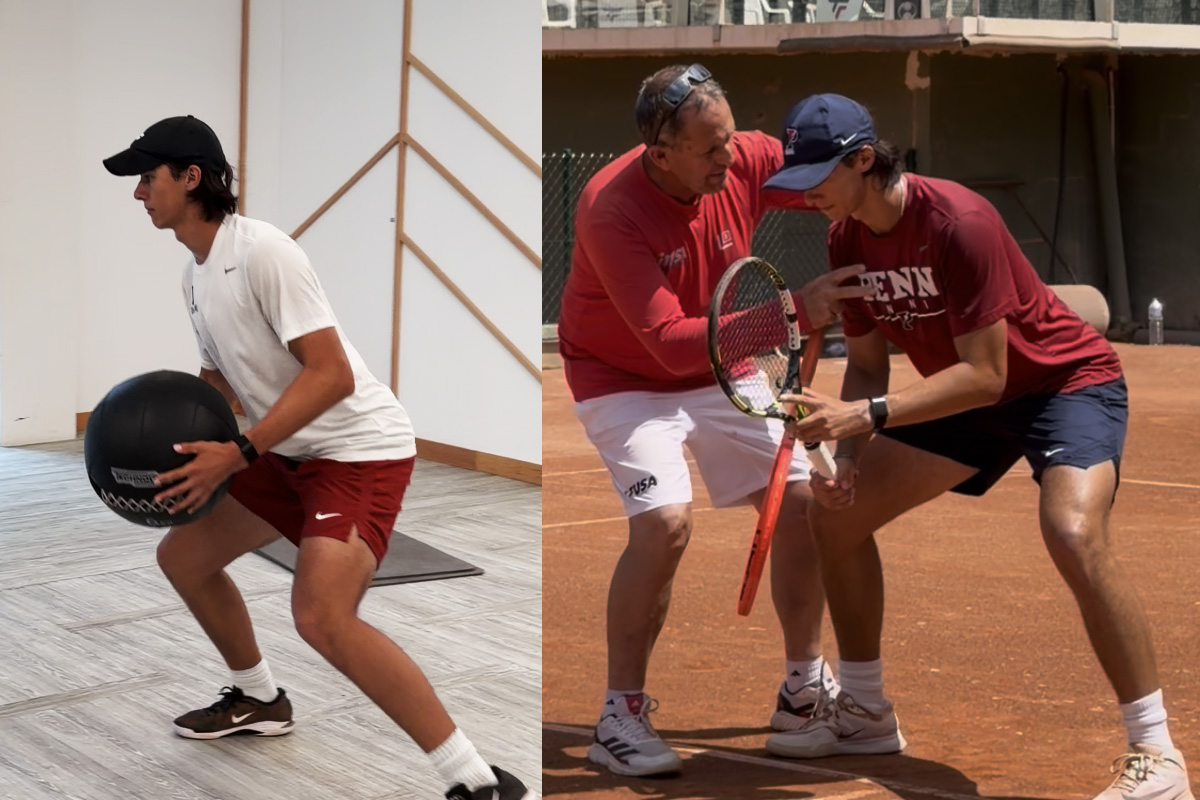
"Built to professional standards. Adapted to a growing body."
The Principles That Make us Work as One Team
Individual expertise is not enough on its own. Player development is full of programs that assembled qualified coaches who then worked in parallel, without a shared direction. What follows are operational constraints on how this team works, not values written on a wall.
Individual Before Generic
As many individual programs as there are players, rather than one program the group follows. Every decision starts from this player's assessment and this player's stage.
Alignment Before Volume
More sessions do not produce more development. Better aligned sessions do. The priority is the precision of the work, not its quantity.
Evidence Before Assumption
Decisions rest on assessment data, session logs, progress reports and competitive results — not on how a session felt.
Long-Term Before Short-Term
The team is accountable for the player's ceiling, not only for this season's results. Short-term performance never outranks long-term capacity.
Communication Before Action
Before any significant change of direction, the player and the family are told what is changing and why.
System Before Ego
No member of the team puts their own preference above what the data and the plan indicate. The development plan is the authority.
Thank you for welcoming me to your ITUSA academy. Thank you for your passion, dedication and help analyzing my serve and giving me the tools to improve it!
Albert Ramos — Professional Player, 4 ATP titles
I have never met anyone more determined and devoted. He's one of the best coaches on tour and I believe the most gifted for developing players. I owe so much of my success to him.
Meghann Shaughnessy — Professional Player, 23 WTA titles
Thanks to Rafael Font de Mora and the iTUSA system, I have been able to develop both my academy and our training methodology!
Javier Ferrer — ATP Tour Coach, Co-Owner & Director, Ferrer Tennis Academy
He is deeply committed to his players and has an exceptional ability to develop their maximum performance through discipline, hard work, and consistent effort.
Alberto Ramos — Former ATP Top 20, wins over Federer, Murray, Wawrinka and Berdych
The culture Rafael had built was one of excellence without arrogance, of high standards within a genuinely caring environment.
Pablo Giacopelli — Former WTA Tour coach
Under Rafael's leadership, several players progressed to compete on the professional tennis circuit.
Frank “Lucky” Cotten — Director of Tennis at Pebble Beach, The Broadmoor and Registry Resort Scottsdale
The Best Way to Understand our Team
The evaluation is the beginning of the development process, whether or not it leads to enrolment. A player who understands their precise technical and tactical profile has already gained something.